ABOUT TRIAR
01
TRIAR is a process-centric future agency.
We are a collective of thinkers, designers, and researchers who turn curiosity into structure, connecting artistic imagination with the pragmatics of innovation.











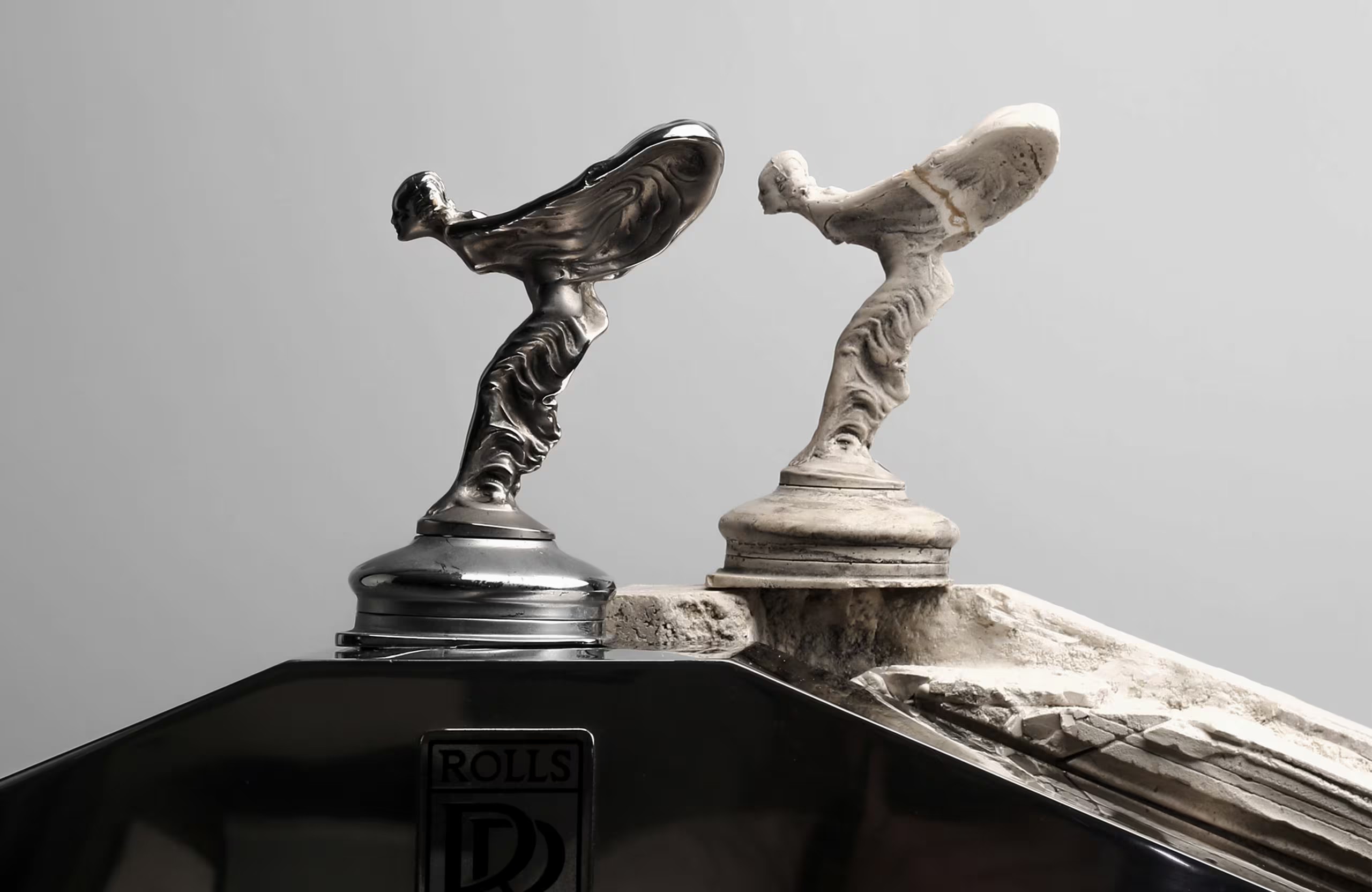
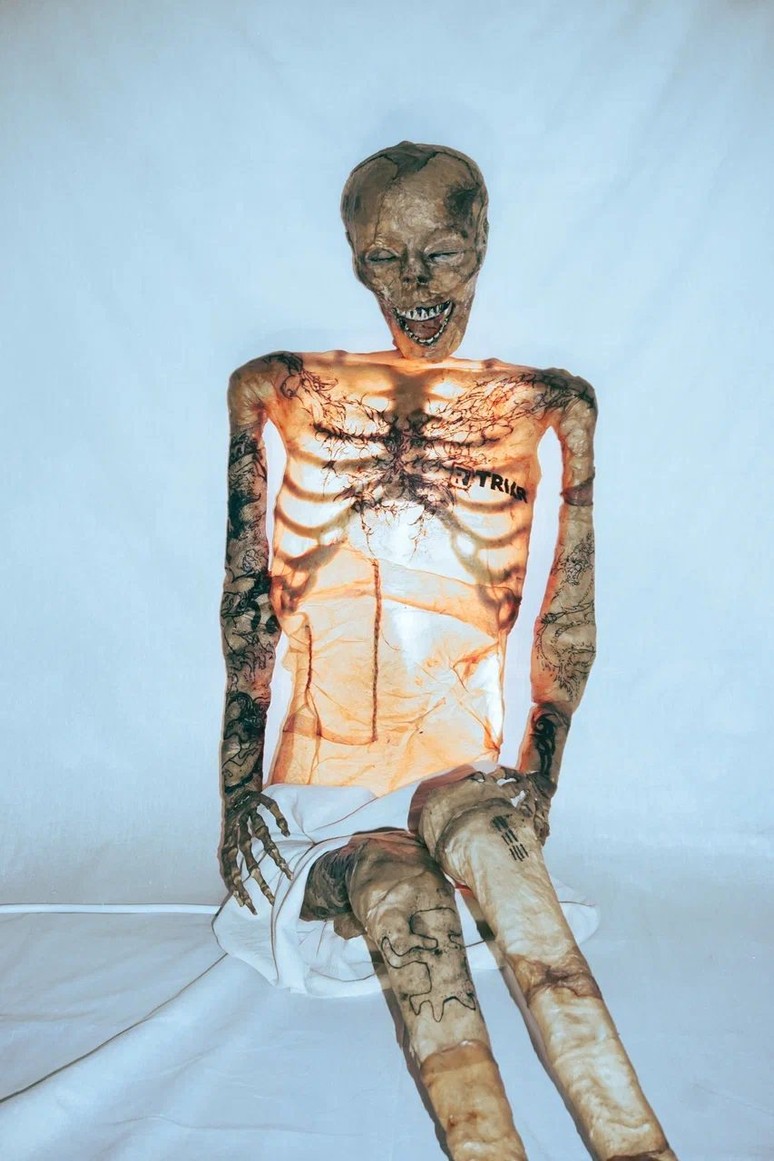
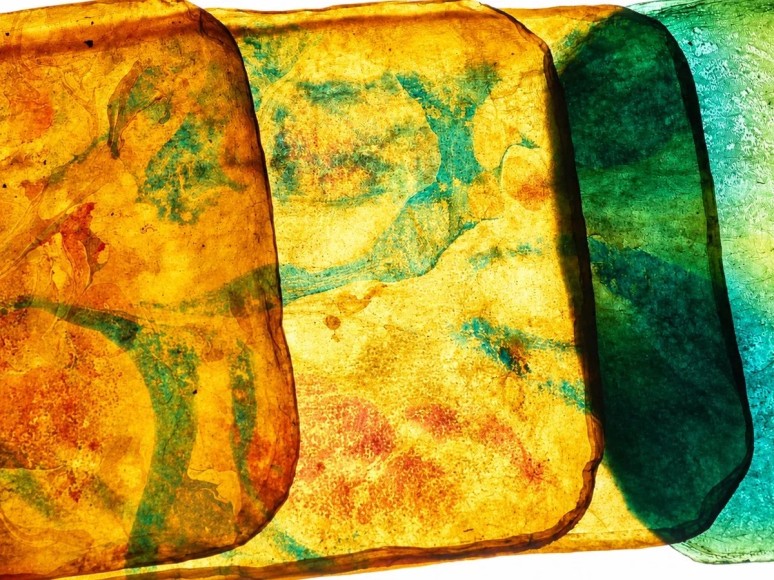
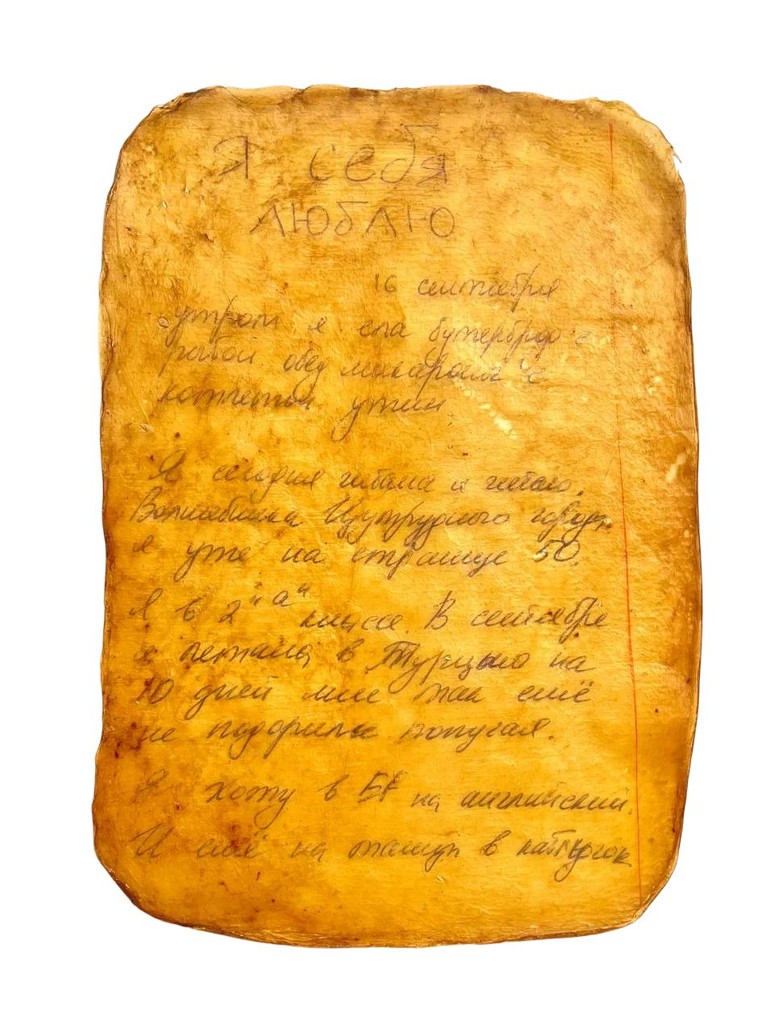
ARTEFACTS PROCESS
03
In practice, this means we:
( 01 )
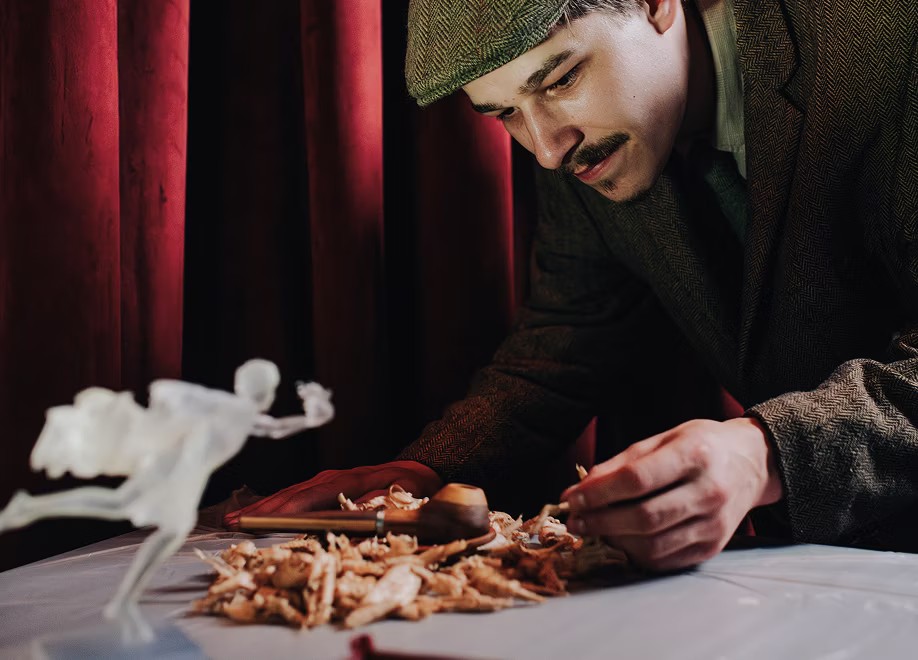
Break Down
Break it down into its constituent actions and decisions
( 02 )
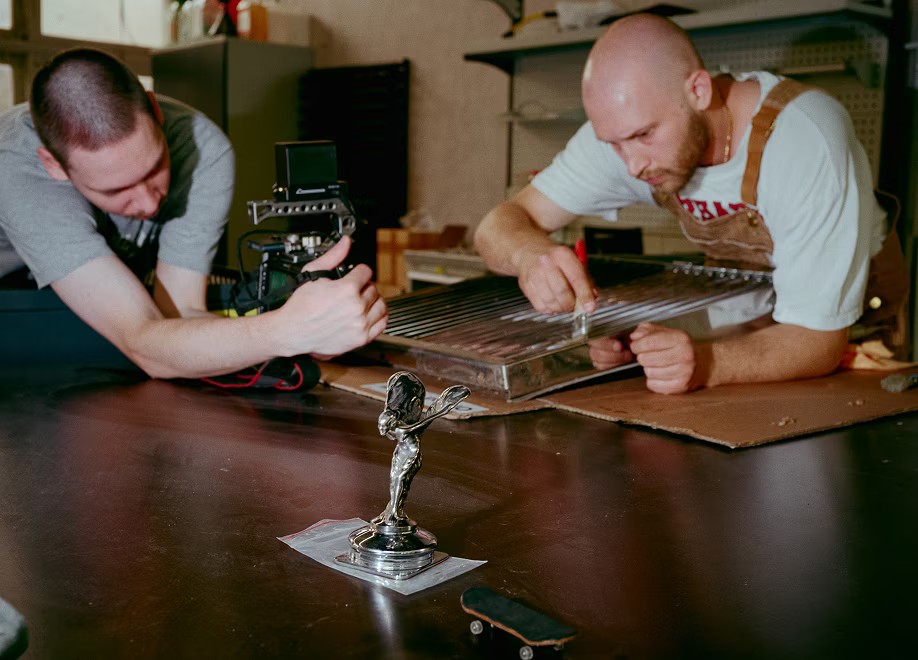
Expose
Expose the skills, transformations, and dependencies involved
( 03 )
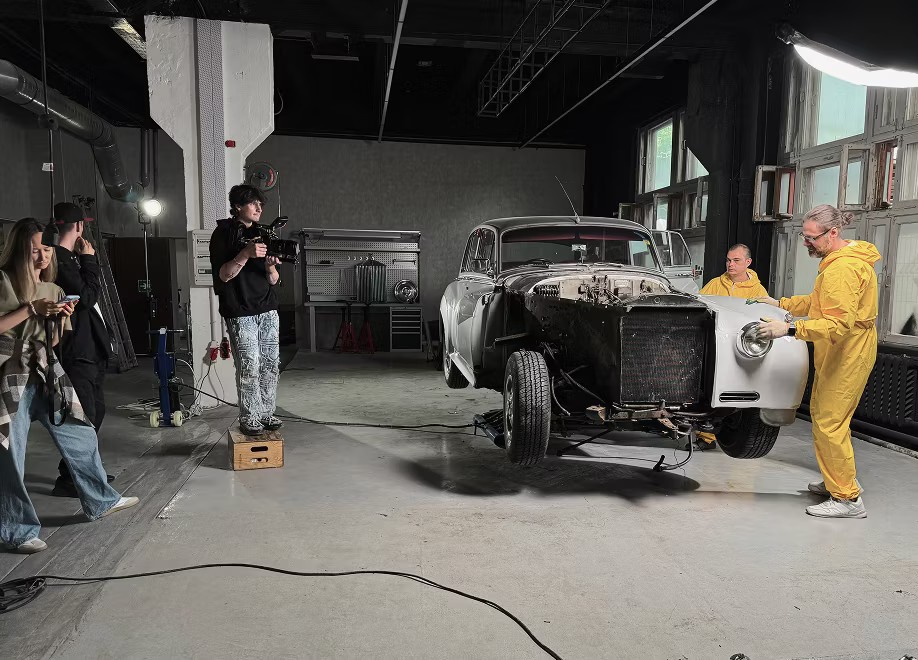
Document
Document and frame these steps through narrative and media
( 04 )
Integrate
Integrate the final object as one element within a larger visible chain
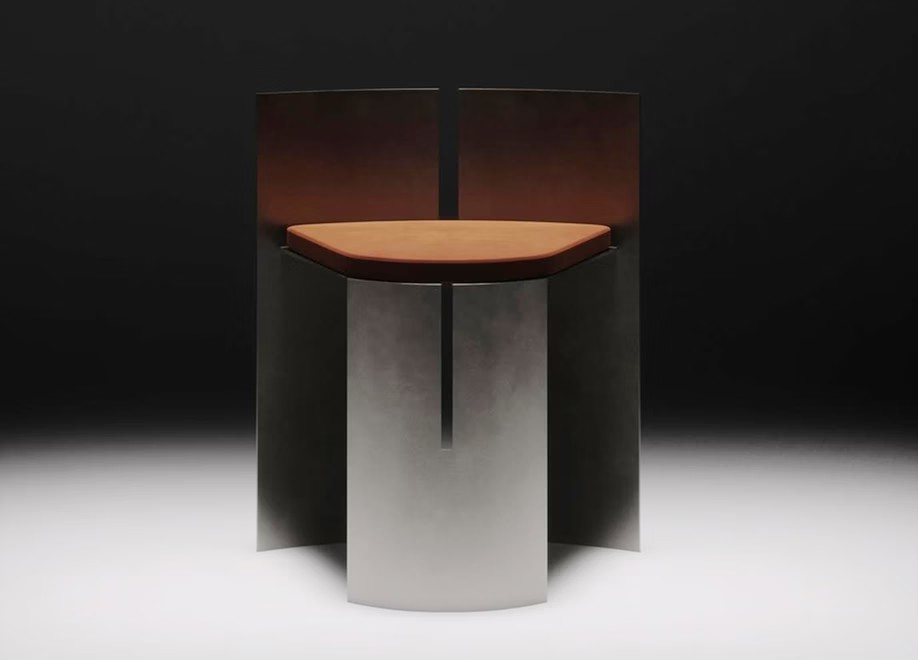
A small product can become the convergence point for craftsmanship, professional production, storytelling, and distribution.
MATERIALS IN FOCUS
04
Materials are used as structural anchors
METALS AND TRANSFORMATIONS
We use readily available metals and push their possibilities. Stress tests, heating, and different forming techniques show us how each metal behaves, allowing us to prototype durable components, refine manufacturing methods, and develop smarter approaches to metal recycling.
BIOPOLYMERS AND LIVING MATTER
Biopolymers come from natural sources like algae, starch, cellulose, and microbes. Unlike synthetic plastics, they can be grown, shaped, or left to biodegrade completely. We explore how these materials can be turned into modern, unique, and sustainable designs.
RECLAIMED MATERIALS AND UPCYCLING SYSTEMS
Reclaimed materials come from waste streams, metals, plastics, textiles, composites, and industrial by-products. We clean, break down, and reprocess them into new, usable forms. This supports efficient circular systems and extends the life cycle of discarded matter.
DIGITAL AND HYBRID MATTER
We use AI, simulation, and data modelling to test what materials, including reclaimed ones, can realistically become. By understanding their limits and potential digitally first, we avoid miscalculations, reduce waste, and only build when a design is truly viable.
FUTURE DIRECTIONS
06
TRIAR evolves by extending its process logic into new territories.
01
Circular systems for material reuse
02
Bio-integrated materials and living composites
03
Digital traceability and AI-assisted design
04
Cross-disciplinary partnerships and education